
Lightweight Suspension
Lightweight suspension systems, made from high-strength materials and innovative designs, offer numerous benefits that are transforming the automotive industry.
In the ever-evolving world of automotive engineering, lightweight suspension systems are becoming an essential focus for manufacturers seeking to improve vehicle performance, fuel efficiency, and overall driving experience. A suspension system, which connects a vehicle to its wheels, plays a crucial role in ensuring comfort, handling, and safety. However, as vehicles become more advanced, the need for lighter and more efficient suspension designs is increasing. Lightweight suspension systems, made from high-strength materials and innovative designs, offer numerous benefits that are transforming the automotive industry.
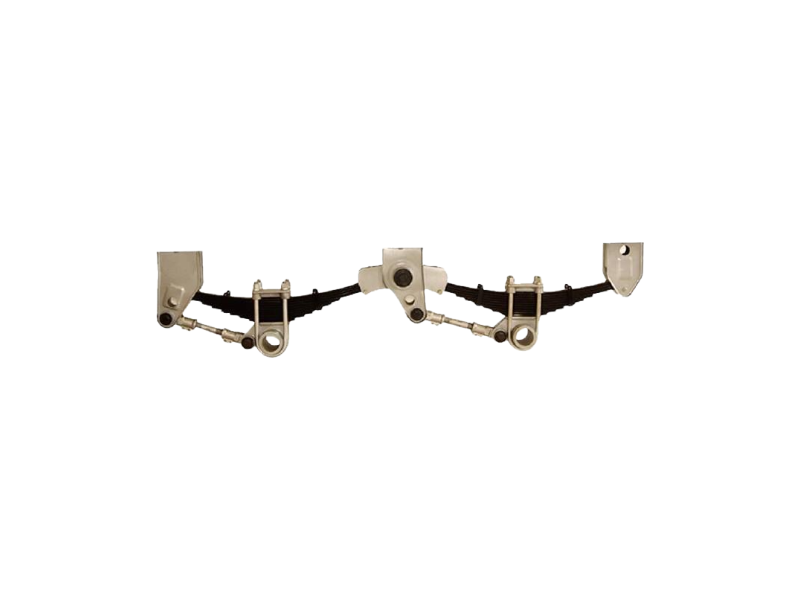
The Importance of Reducing Weight in Automotive Design
Reducing the weight of a vehicle is one of the most effective ways to improve its performance. By minimizing weight, automakers can enhance acceleration, reduce fuel consumption, and improve handling. Lightweight suspension systems contribute significantly to weight reduction without compromising the structural integrity and durability of the vehicle. By incorporating materials such as aluminum alloys, carbon fiber, and high-strength steel, these suspension systems can reduce the overall weight of the vehicle, leading to better efficiency and performance.
Key Benefits of Lightweight Suspension Systems
There are several advantages to integrating lightweight suspension systems into modern vehicles. First and foremost, the reduction in weight directly contributes to better fuel economy, which is a significant concern for both consumers and manufacturers in an era of increasing fuel prices and environmental awareness. Moreover, lighter suspension systems improve handling, as the reduced unsprung weight allows for more precise control over the vehicle's movement. This leads to better road contact and improved stability, especially in high-performance and off-road vehicles.
Material Innovation in Lightweight Suspension
The use of advanced materials is a critical factor in the development of lightweight suspension systems. Materials such as aluminum, magnesium, and carbon fiber are being used extensively to replace traditional steel components. These materials are not only lighter but also offer superior strength-to-weight ratios, making them ideal for suspension components. For instance, aluminum alloy arms and magnesium-based springs reduce weight while maintaining structural integrity. Additionally, carbon fiber suspension components are gaining popularity due to their excellent strength and low weight, although they come with higher costs. The continuous development of these materials promises even greater advancements in suspension technology.
